
Japanese design, renowned for its meticulous attention to detail and profound cultural roots, finds a fascinating expression in the seemingly simple bottle opener. This aesthetic transcends mere utility, reflecting a rich tapestry of symbolism, craftsmanship, and design principles. From minimalist forms to the evocative use of natural materials, the Japanese bottle opener aesthetic offers a compelling window into the nation’s artistic soul.
This exploration delves into the key elements that define the Japanese bottle opener aesthetic, examining its visual language, design principles, cultural context, and modern interpretations. We’ll uncover the specific materials, colors, and shapes that characterize this unique style, tracing its historical influences and modern relevance.
Defining the Aesthetic
The Japanese bottle opener aesthetic, a burgeoning niche within the design world, is characterized by a unique blend of form, function, and cultural symbolism. More than mere tools for opening bottles, these objects often serve as miniature expressions of Japanese craftsmanship and design philosophy. This aesthetic frequently employs minimalism, showcasing the material’s inherent beauty and often incorporates subtle, yet impactful, design elements.This aesthetic draws inspiration from traditional Japanese design principles, emphasizing simplicity, balance, and harmony.
The resulting designs often exude a quiet elegance, contrasting with the boisterous nature of many bottle-opening mechanisms. This is reflected in the careful consideration given to every element, from the shape and material to the overall visual impression.
Key Visual and Design Elements
Japanese bottle openers often prioritize clean lines and minimalist forms. Symmetry and balance are frequent characteristics, creating a sense of harmony and order. The aesthetic frequently incorporates subtle curves and tapered shapes, further enhancing the visual appeal. Materials are carefully chosen to complement the design, often showcasing the inherent beauty of the material itself. Small details, such as subtle engravings or brushed finishes, are often employed to add visual interest without overwhelming the overall simplicity.
Cultural and Historical Influences
The Japanese bottle opener aesthetic is deeply rooted in traditional Japanese design principles, particularly those found in the arts of ceramics, lacquerware, and metalworking. The emphasis on natural forms, meticulous craftsmanship, and the integration of function and aesthetics can be traced back centuries. These principles have been refined and adapted over time, resulting in the modern aesthetic. The focus on functionality and the interplay of form and function are fundamental elements of Japanese design philosophy.
Symbolism
While not overtly symbolic in the same way as some other cultural design elements, the Japanese bottle opener aesthetic often subtly incorporates symbolic elements. The use of particular materials, like bamboo or polished steel, may evoke associations with strength, resilience, or elegance, depending on the specific context. The inherent beauty of the natural materials or the precision of the craftsmanship can symbolize a deep respect for nature and the mastery of skill.
Materials
The selection of materials plays a crucial role in defining the aesthetic. Common choices include:
- Bamboo: Bamboo’s natural grain and texture provide a connection to nature, and its strength and flexibility offer an aesthetic link to Japanese culture’s respect for natural materials. Its warm, natural tone complements the minimalist approach.
- Stainless Steel: Often polished to a high sheen, stainless steel emphasizes a refined elegance and functionality. Its durability and resistance to corrosion align with Japanese ideals of lasting quality.
- Copper: Copper’s warm tones and natural patina can create a unique aesthetic. Its malleability allows for intricate designs, while its association with warmth and craftsmanship makes it an ideal material choice.
- Ceramics: The inherent beauty of ceramics, whether glazed or unglazed, allows for unique and captivating designs. The delicate nature of the material contrasts with the robustness of the function, providing a unique visual contrast.
These examples illustrate how material selection can subtly enhance the overall aesthetic and cultural connotations. Each material offers its own unique set of visual and symbolic attributes.
Design Principles

The Japanese bottle opener aesthetic, rooted in a deep respect for tradition and natural beauty, embraces minimalism and simplicity as fundamental design principles. This approach prioritizes functionality and understated elegance, often drawing inspiration from the serene landscapes and refined craftsmanship of Japan. The aesthetic frequently incorporates natural materials, reflecting a connection to the environment and a commitment to sustainable practices.This aesthetic distinguishes itself by meticulously crafting functional objects, often with a focus on tactile experience.
This approach fosters a sense of mindful interaction with the product, contrasting with more overtly stylized or trend-driven designs. The core philosophy emphasizes balance, harmony, and a profound understanding of the material used, resulting in designs that are both beautiful and enduring.
Minimalism and Simplicity
The minimalist approach is a key component of the Japanese bottle opener aesthetic. It eschews unnecessary ornamentation, focusing instead on clean lines, geometric shapes, and a sense of quiet sophistication. This design philosophy emphasizes the inherent beauty of the material itself, allowing its natural qualities to shine through. This aesthetic avoids clutter and excessive decoration, thereby enhancing the object’s overall impact.
For example, a bottle opener crafted from polished bamboo, featuring a simple, integrated design, embodies this principle.
Natural Materials
The utilization of natural materials is a defining characteristic of the Japanese bottle opener aesthetic. Bamboo, wood, and stone are frequently employed, reflecting a deep connection to the natural world and a commitment to sustainability. These materials possess unique textures and patterns, contributing to the aesthetic’s unique visual appeal. Their inherent warmth and organic qualities often complement the clean lines and minimalist approach.
The use of natural materials also connects the product to the surrounding environment, fostering a sense of harmony and tranquility.
Comparison with Other Styles
Compared to contemporary industrial design, the Japanese aesthetic often prioritizes a more restrained and contemplative approach. While industrial designs might emphasize innovation and technological advancement, the Japanese aesthetic highlights functionality and beauty through simple forms and materials. Furthermore, the Japanese aesthetic often contrasts sharply with more ornate or decorative styles, favoring a quiet elegance that emphasizes the material’s natural beauty.
This difference underscores a profound appreciation for the inherent qualities of the materials used.
Traditional Japanese Craftsmanship
The Japanese bottle opener aesthetic often integrates traditional Japanese craftsmanship techniques. Methods like hand-crafting, meticulous attention to detail, and the use of age-old techniques add a unique layer of depth and value to the design. These techniques often involve specialized tools and techniques passed down through generations, contributing to the product’s enduring quality and uniqueness. This approach contrasts with mass-produced designs that lack the personalized touch and historical context of handcrafted pieces.
Color Palettes
The color palettes commonly used in this aesthetic are often muted and earthy tones. A palette often includes natural wood tones, light grays, blacks, and deep browns. These colors evoke a sense of serenity and harmony, aligning with the aesthetic’s overall emphasis on simplicity and natural beauty. Furthermore, the color palette frequently complements the material used, enhancing the product’s overall visual appeal.
| Color | Description |
|---|---|
| Natural Wood Tones | Evokes warmth and natural beauty |
| Light Grays | Provides a calming and sophisticated backdrop |
| Deep Browns | Adds depth and richness to the design |
| Black | Emphasizes clean lines and simplicity |
Visual Elements
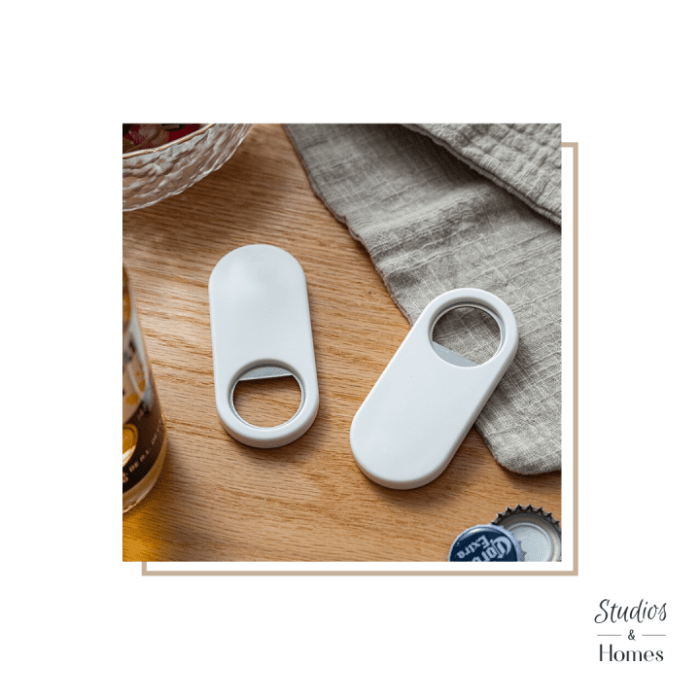
The visual language of a Japanese bottle opener aesthetic draws heavily from traditional Japanese design principles, often prioritizing minimalism, harmony, and a deep connection to nature. This aesthetic is characterized by a deliberate use of shapes, textures, and light to evoke a sense of serenity and elegance. The visual elements are meticulously crafted to complement the function of the bottle opener, enhancing the user experience.
Shapes and Forms
Japanese design frequently employs organic, flowing lines and shapes, often inspired by natural elements like bamboo, water, and leaves. Common forms include rounded edges, asymmetrical patterns, and stylized depictions of flora and fauna. These shapes create a sense of fluidity and natural beauty. Geometric forms, particularly circles and squares, are also employed but typically in a way that harmonizes with the organic elements.
For instance, a bottle opener might feature a stylized bamboo leaf as a handle, or a subtly curved body reminiscent of a river stone. The forms are not just decorative; they reflect a deep appreciation for the balance and beauty found in the natural world.
Texture and Surface Treatments
Texture plays a critical role in conveying the aesthetic. Smooth, polished surfaces are common, suggesting a refined craftsmanship and high-quality materials. However, subtle textures, such as brushed metal or subtly etched patterns, are also employed to add visual interest and a sense of tactile depth. The choice of texture is integral to the overall impression. A bottle opener with a meticulously brushed stainless steel surface conveys a sense of modern elegance, while one with a subtle wood grain pattern might evoke a sense of warmth and tradition.
The texture evokes a specific feeling in the user, reinforcing the intended aesthetic.
Lighting and Shadow
Lighting and shadow are key elements in highlighting the design’s subtle details. Careful consideration of how light interacts with the bottle opener’s surface allows for depth and visual interest. Strategic use of lighting can accentuate the curves, textures, and overall form. For instance, a bottle opener with a sculpted design will show its form more clearly when illuminated from specific angles, showcasing the interplay of light and shadow.
This careful manipulation of light and shadow creates an almost three-dimensional effect, adding another layer of visual complexity and appeal.
Visual Elements Table
| Shape | Color | Texture | Material |
|---|---|---|---|
| Rounded, organic, stylized flora and fauna | Muted tones, natural earth tones, or deep blues/greens | Polished, brushed, subtly etched, wood grain | Stainless steel, brushed copper, wood, ceramic, or other natural materials |
| Asymmetrical, flowing lines | Variations of the same color family (e.g., different shades of green) | Smooth, matte, or textured to emphasize the form | Recycled metal, sustainable materials, or high-grade metal alloys |
| Geometric shapes (circles, squares) | Monochromatic or contrasting color palettes | Sandblasted, carved, or engraved for a visual impact | Durable, high-end materials with unique finishes |
Cultural Context
Japanese design, deeply rooted in tradition, prioritizes a holistic approach, emphasizing function, aesthetics, and cultural harmony. This philosophy extends beyond individual objects to encompass the overall user experience and the surrounding environment. The meticulous attention to detail in Japanese design is evident in its dedication to crafting objects that are both beautiful and practical, reflecting a profound respect for the materials and the craft itself.Japanese design philosophy, steeped in centuries of cultural refinement, values function as inextricably linked to aesthetics.
Objects are not merely utilitarian; they are expressions of cultural values, history, and artistry. This principle resonates deeply with the bottle opener design, where a seemingly simple tool becomes a reflection of Japanese design principles.
Significance of Function in Japanese Design
Japanese design places significant emphasis on functionality, often considered an intrinsic aspect of beauty. Objects are designed to be both visually appealing and practically useful, seamlessly integrating form and function. This approach ensures that the object fulfills its purpose while maintaining a harmonious aesthetic. The bottle opener design embodies this principle, ensuring ease of use while respecting the principles of Japanese aesthetics.
Cultural Emphasis on Balance and Harmony
The concept ofwa* (harmony) is central to Japanese culture, influencing all aspects of life, including design. Balance, symmetry, and proportion are highly valued, creating a sense of equilibrium and serenity. This emphasis on balance and harmony is apparent in traditional Japanese architecture, gardens, and art forms, all striving for a visual and spiritual equilibrium. The bottle opener designs can reflect these values through symmetrical forms, carefully considered proportions, and subtle aesthetic choices that evoke a sense of harmony.
Historical Examples of Japanese Design
Numerous historical examples showcase the integration of function and aesthetics in Japanese design. The intricate lacquerware, renowned for its exquisite craftsmanship and functional beauty, exemplifies this fusion. The elegant simplicity of Japanese tea ceremonies, with their emphasis on ritual and aesthetic experience, illustrates the importance of balance and harmony. The delicate artistry of traditional Japanese pottery, highlighting the skillful use of materials and form, embodies the cultural values of balance and harmony.
These examples demonstrate how the meticulous attention to detail, respect for materials, and harmony are fundamental principles of Japanese design, evident in contemporary bottle opener designs.
Traditional Japanese Aesthetics
Traditional Japanese aesthetics, encompassing concepts like
- wabi-sabi*,
- yugen*, and
- mono no aware*, emphasize the beauty of imperfection, the inherent transience of life, and the appreciation of natural elements. These concepts, deeply rooted in Buddhist and Shinto philosophies, permeate Japanese design, influencing the subtle beauty and enduring appeal of traditional crafts. These concepts are reflected in the bottle opener designs through the use of natural materials, subtle imperfections, and a sense of quiet elegance.
A carefully considered design approach can emphasize these principles.
Materials and Craftsmanship
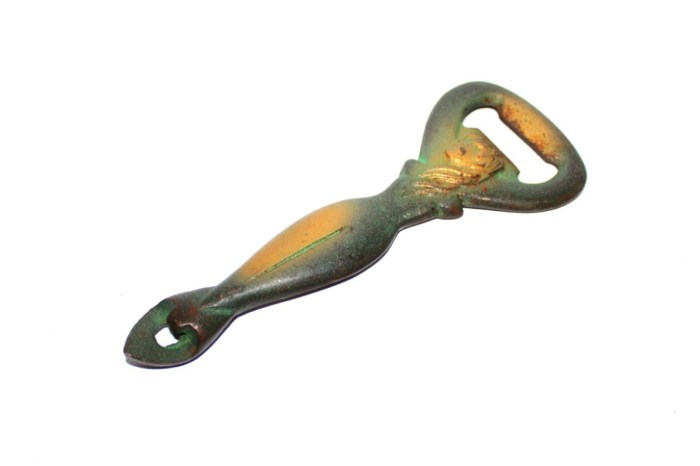
Japanese bottle openers, often imbued with artistic merit, showcase a deep connection to tradition and craftsmanship. The selection of materials and the execution of techniques contribute significantly to the piece’s aesthetic appeal and cultural significance. Beyond their practical function, these openers frequently serve as miniature works of art, reflecting the country’s rich artistic heritage.
Common Materials
The materials employed in crafting Japanese bottle openers are diverse, yet frequently drawn from readily available and aesthetically pleasing natural resources. Wood, metal, and sometimes ceramic are the most common choices. The specific material selection often mirrors the overall design concept, be it minimalist or ornate. A careful consideration of the material’s texture, grain, or color contributes to the final aesthetic of the piece.
Traditional Craftsmanship Techniques
A variety of traditional Japanese craftsmanship techniques are applied to these openers. Intricate carvings, meticulous metalworking, and lacquerware applications are common. These techniques, often passed down through generations, ensure the piece’s quality and uniqueness. The mastery of these techniques adds an additional layer of value and cultural significance.
Material Choices and Visual Impact
The choice of material directly influences the visual impact of the bottle opener. The natural beauty of wood grain, for instance, can create a warm and inviting aesthetic. Conversely, the smooth, polished surface of metal can project an air of elegance and modernity. The table below illustrates the correlation between material selection and the resulting visual effect.
| Material | Visual Impact | Examples |
|---|---|---|
| Wood (e.g., cherry, maple) | Warmth, natural beauty, rustic charm | Bottle openers with intricate wood carvings, showcasing the natural grain patterns |
| Metal (e.g., brass, copper, steel) | Elegance, strength, modern sophistication | Bottle openers with polished surfaces, showcasing the metal’s inherent sheen, often with engraved designs |
| Ceramic (e.g., porcelain, stoneware) | Delicate beauty, earthy tones | Bottle openers with intricate ceramic designs or hand-painted motifs, showcasing a subtle beauty |
| Bamboo | Simplicity, sustainability, natural elegance | Bottle openers crafted from bamboo, showcasing the natural striations and light weight |
Modern Interpretations
The enduring appeal of Japanese bottle opener aesthetics lies in its adaptability. Contemporary designers are not merely replicating traditional forms but infusing them with modern sensibilities, creating new dialogues between tradition and innovation. This evolution reflects a broader trend in design, where cultural heritage is reimagined for a global audience while retaining core principles of craftsmanship and functionality.The evolution of the Japanese bottle opener aesthetic is driven by a fusion of cultural appreciation and technological advancement.
Designers are embracing modern materials and manufacturing techniques while honoring traditional principles, creating objects that are both visually striking and practically useful. The interplay between these factors is critical to the success of modern interpretations.
Contemporary Designers Embracing the Aesthetic
Several contemporary designers are actively engaging with the Japanese bottle opener aesthetic. They draw inspiration from traditional techniques but adapt them to contemporary design language. This often involves experimenting with new materials and production processes, while upholding the principles of beauty and functionality inherent in the original designs. For example, designers like Taro Yamashita and Naoko Sato are known for their modern takes on traditional Japanese aesthetics, demonstrating a blend of cultural heritage and innovative design.
Evolution of the Aesthetic in Recent Times
The aesthetic has evolved by incorporating contemporary design trends. Modern interpretations often feature streamlined shapes and minimalist forms, emphasizing clean lines and a sense of elegance. This evolution is evident in the use of unconventional materials, such as recycled plastics or sustainably sourced woods. Furthermore, modern technology has facilitated the production of complex designs and intricate details that would have been challenging or impossible to achieve using traditional methods.
This evolution is not a departure from the roots, but a refined reinterpretation.
Examples of Modern Designs Embodying Traditional Values
Modern designs that retain traditional values often employ traditional techniques alongside contemporary materials. A bottle opener might use laser-cut metal, a material not typically associated with traditional Japanese metalworking, yet retain the aesthetic harmony of symmetry and balance that are characteristic of traditional Japanese design. The use of minimalist forms and clean lines is another example. The form and function are seamlessly integrated, emphasizing the importance of both in the overall design.
Impact of Modern Technology on Design Approaches
Modern technology has significantly impacted design approaches. Computer-aided design (CAD) software allows designers to create complex shapes and intricate details with precision and efficiency. 3D printing provides opportunities for innovative and unconventional forms. The integration of technology has not replaced traditional craftsmanship, but has broadened the scope of possibilities, enabling designers to explore new design paradigms while remaining true to the spirit of the original aesthetic.
Modern Materials Incorporated into the Aesthetic
Modern materials, such as lightweight metals, high-performance plastics, and sustainable materials like bamboo, are incorporated into the design. These materials offer new possibilities for form, function, and aesthetics, without sacrificing the emphasis on quality and craftsmanship. For example, a bottle opener made from recycled aluminum retains the strength and durability of traditional metal, but offers a contemporary and environmentally conscious design.
Symbolism and Imagery
Japanese bottle openers, like other aspects of Japanese design, often incorporate symbolic imagery that resonates with cultural values and aesthetics. This symbolism adds a layer of depth and meaning beyond the purely functional, reflecting the rich history and philosophical underpinnings of Japanese culture. The use of symbolic imagery in bottle openers is a nuanced expression of these values, offering a tangible connection to the cultural heritage.The integration of symbolic imagery in bottle opener designs isn’t arbitrary; it’s a deliberate act that imbues the object with deeper meaning.
The chosen symbols, often drawn from traditional art forms, folklore, or historical events, contribute to the overall aesthetic, fostering a sense of connection to Japan’s rich cultural heritage. The careful selection and placement of these symbols create a unique narrative, enhancing the visual appeal and intellectual engagement of the design.
Symbolic Imagery in Design
The symbolic language embedded in Japanese bottle opener designs is often drawn from a wellspring of cultural traditions. From the elegant simplicity of a stylized cherry blossom to the powerful symbolism of a mythical creature, each element carries a specific weight and meaning. The careful integration of these symbols into the overall design creates a cohesive and evocative aesthetic, reflecting the values and aspirations of Japanese culture.
Categorization of Symbols
This table presents a categorized overview of common symbols used in Japanese bottle opener designs, their traditional meanings, and how these meanings are reflected in their application to the design.
| Symbol | Meaning | Application in Design |
|---|---|---|
| Cherry Blossom (Sakura) | Represents beauty, transience, and renewal. | Often depicted in stylized forms, highlighting elegance and the ephemeral nature of beauty. May be used as a subtle accent or a prominent feature, depending on the overall design. |
| Bamboo | Symbolizes strength, flexibility, and resilience. | May be incorporated as a stylized element, showcasing its inherent strength and adaptability. The straight lines and natural curves of bamboo often complement the overall design. |
| Koi Fish | Represents strength, perseverance, and overcoming obstacles. | Can be incorporated as a decorative element, emphasizing the spirit of determination and overcoming challenges. Often depicted in bold colors, contrasting with the overall design. |
| Phoenix | Represents rebirth, renewal, and good fortune. | Used as a powerful symbol, reflecting a desire for prosperity and a new beginning. The phoenix often appears in stylized forms, integrating seamlessly with the design’s aesthetic. |
| Waves (Kaze) | Symbolizes the dynamic and ever-changing nature of life. | Used as an abstract representation of the natural world, creating a sense of fluidity and movement. The visual representation of waves may incorporate curves, lines, or patterns. |
Applications and Usage
The Japanese bottle opener aesthetic, with its emphasis on minimalist design, meticulous craftsmanship, and cultural symbolism, transcends its core function. Its adaptable nature allows for integration into diverse product categories, enhancing user experience and reflecting a refined sensibility. This exploration delves into the potential applications of this aesthetic beyond bottle opening, focusing on packaging, product design, and future possibilities.This aesthetic, defined by its harmonious blend of form and function, can be leveraged to elevate the user experience across various products.
By drawing inspiration from the meticulous attention to detail and understated elegance inherent in Japanese design principles, companies can craft products that resonate with a discerning clientele.
Packaging Design
The aesthetic’s impact extends beyond the bottle opener itself. Its streamlined forms and muted color palettes can be seamlessly integrated into packaging design, creating a cohesive and sophisticated brand identity. For instance, a premium tea brand could employ the aesthetic in its packaging, using minimalist imagery and subtle color gradations to evoke a sense of tranquility and quality.
The use of natural materials, such as recycled paper or bamboo, further aligns with the aesthetic’s environmentally conscious ethos. This approach resonates with consumers who value both aesthetics and sustainability. The overall effect is a visually appealing package that communicates the brand’s values and elevates the consumer experience.
Product Design
Beyond packaging, this aesthetic can inform the design of a broader range of products. Consider a minimalist knife set, drawing inspiration from the refined lines of traditional Japanese design. The focus on functional efficiency and aesthetic harmony would translate to a user-friendly design, providing exceptional utility with an understated elegance. Likewise, a high-end electronics device could incorporate elements of the aesthetic through its material choices (e.g., brushed aluminum) and form factor (e.g., smooth, rounded edges).
This integration would contribute to the device’s perceived value and user experience.
User Experience Enhancement
The aesthetic’s core principles of simplicity and intuitive design can be applied to enhance the user experience of various products. A digital interface, for example, could be designed with clean lines, clear navigation, and a palette of neutral colors, evoking a sense of calmness and clarity. By mimicking the aesthetic’s focus on functionality, the user’s interaction with the product becomes seamless and enjoyable.
Consider a sophisticated app with intuitive navigation, reflecting the emphasis on ease of use and refinement that characterizes the aesthetic. This elevates the product from a functional tool to a source of enjoyment.
Potential Future Applications
The future applications of this aesthetic are vast and varied. One potential area is in the design of smart home devices. These devices could integrate the aesthetic’s emphasis on subtle elegance and intuitive operation, creating a sophisticated and harmonious integration into the home environment. The use of natural materials, such as wood and bamboo, would further emphasize the aesthetic’s commitment to environmental consciousness.
Furthermore, the application of this aesthetic in the field of transportation design, specifically in high-end vehicles, presents exciting possibilities. The design could feature streamlined contours, minimal embellishments, and high-quality materials to create a truly unique and refined driving experience.
Illustrative Examples
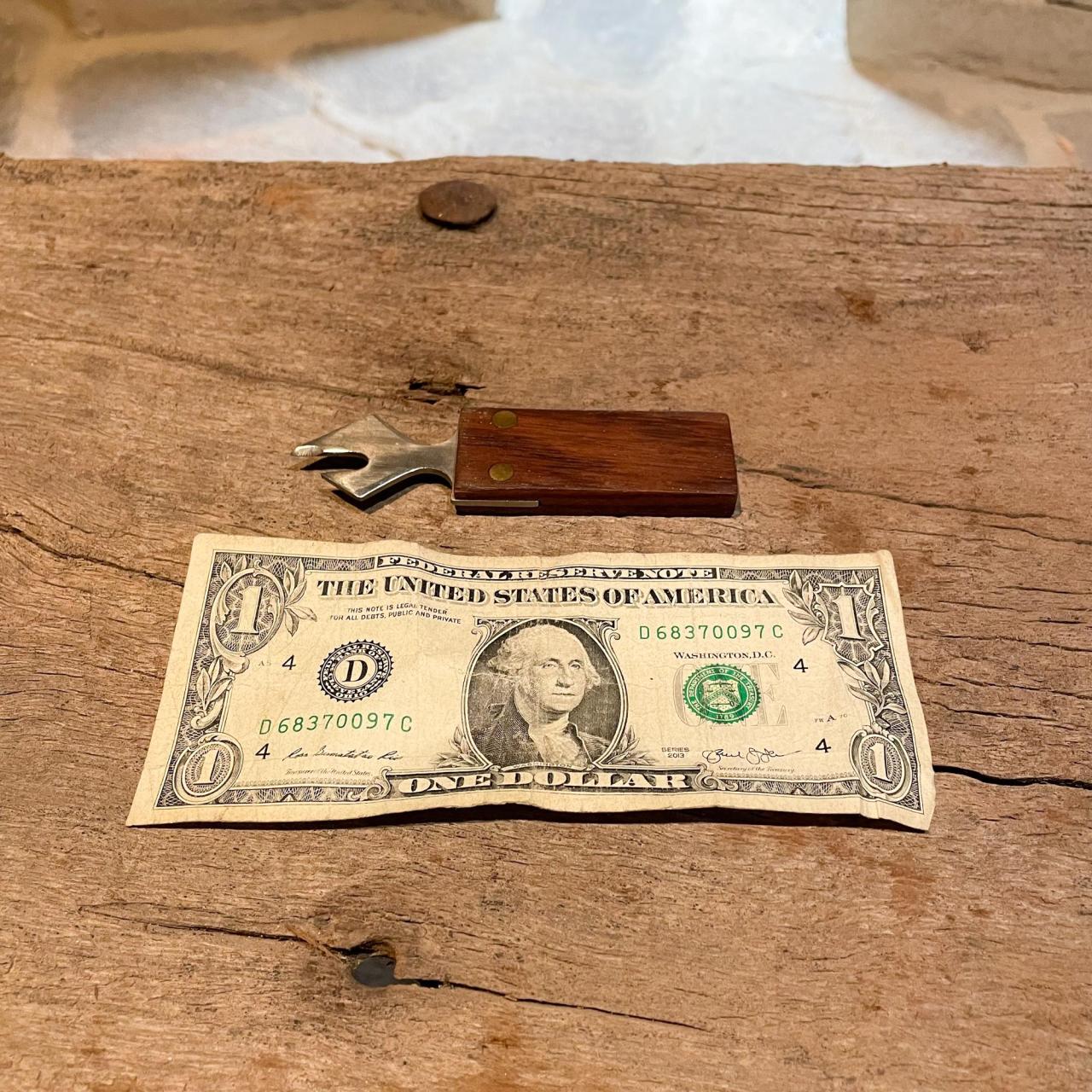
The Japanese bottle opener aesthetic, a confluence of form and function, finds diverse expressions in contemporary design. From minimalist elegance to intricate artistry, these objects showcase the meticulous attention to detail and cultural resonance characteristic of Japanese design. Each design, regardless of complexity, speaks to the inherent beauty in everyday objects.
Bottle Opener Designs
Various bottle opener designs exemplify the Japanese aesthetic. These designs draw inspiration from traditional Japanese aesthetics, while incorporating modern interpretations. The meticulous attention to detail and craftsmanship, often evident in the materials and techniques employed, elevate the everyday act of opening a bottle into a mindful experience.
Specific Design Examples
- The “Wave” Bottle Opener: This design utilizes a stylized wave form, echoing the fluidity and power of nature. The material is often brushed stainless steel, reflecting light and enhancing the subtle curve of the design. The overall visual impact is one of serene dynamism, suggesting the effortless movement of water. The symbolism centers on the continuous cycle of nature, and the smooth, seamless lines connect to the Japanese concept of harmony.
This bottle opener would be particularly suitable for a modern home or a bar with a minimalist design.
- The “Bamboo” Bottle Opener: This design employs a bamboo-inspired handle, showcasing the natural grain and texture of the material. The subtle variations in the wood’s color and pattern lend an organic touch. The craftsmanship emphasizes the natural beauty of the material, echoing the Japanese appreciation for natural elements. The symbolism lies in the strength and resilience of bamboo, representing adaptability and endurance.
The use of natural materials connects to a broader Japanese appreciation for sustainability.
- The “Sakura Blossom” Bottle Opener: This design features a stylized representation of a cherry blossom (sakura) in intricate relief. The material is often polished brass or copper, highlighting the delicate detail of the blossom. The imagery evokes a sense of spring and renewal, symbolizing the ephemeral beauty of life and the fleeting nature of moments. The visual impact is one of delicate grace and intricate artistry, reflecting the beauty and symbolism of the sakura flower.
This design would appeal to those valuing artistry and subtle symbolism in everyday objects.
Comparative Analysis
| Design | Material | Symbolism | Overall Aesthetic |
|---|---|---|---|
| Wave Bottle Opener | Brushed Stainless Steel | Flow, continuity, natural harmony | Modern, minimalist, serene |
| Bamboo Bottle Opener | Natural Bamboo | Strength, resilience, connection to nature | Organic, natural, sustainable |
| Sakura Blossom Bottle Opener | Polished Brass/Copper | Ephemeral beauty, renewal, artistry | Delicate, intricate, artistic |
End of Discussion
In conclusion, the Japanese bottle opener aesthetic stands as a testament to the country’s enduring design philosophy. Its combination of minimalist elegance, meticulous craftsmanship, and profound cultural symbolism offers a unique approach to functionality and form. This aesthetic transcends the simple act of opening a bottle, inviting a deeper appreciation for Japanese artistry and its enduring influence on contemporary design.
Potential applications extend far beyond the bottle opener, suggesting a broader impact on product design and user experience.
